A GUIDE TO SLOW WINE TOURISM
What is slow wine tourism? Well, its the perfect description for what we do here at Venture Vienna, and it’s why we were voted by the World Luxury Travel Awards as ‘Western Europe’s Best Wine Tours’!
In my mind, the biggest barrier of entry into the world of wine are the people who talk about it. Astringency, acidity, tannin, mouthfeel, aromas and yes, even petrol can help to describe wine, but only when done accessibly and in context. When people use these terms without describing how to measure or recognise them, it’s pointless, and worse still, it can put people off investigating further cos it makes them feel stupid.
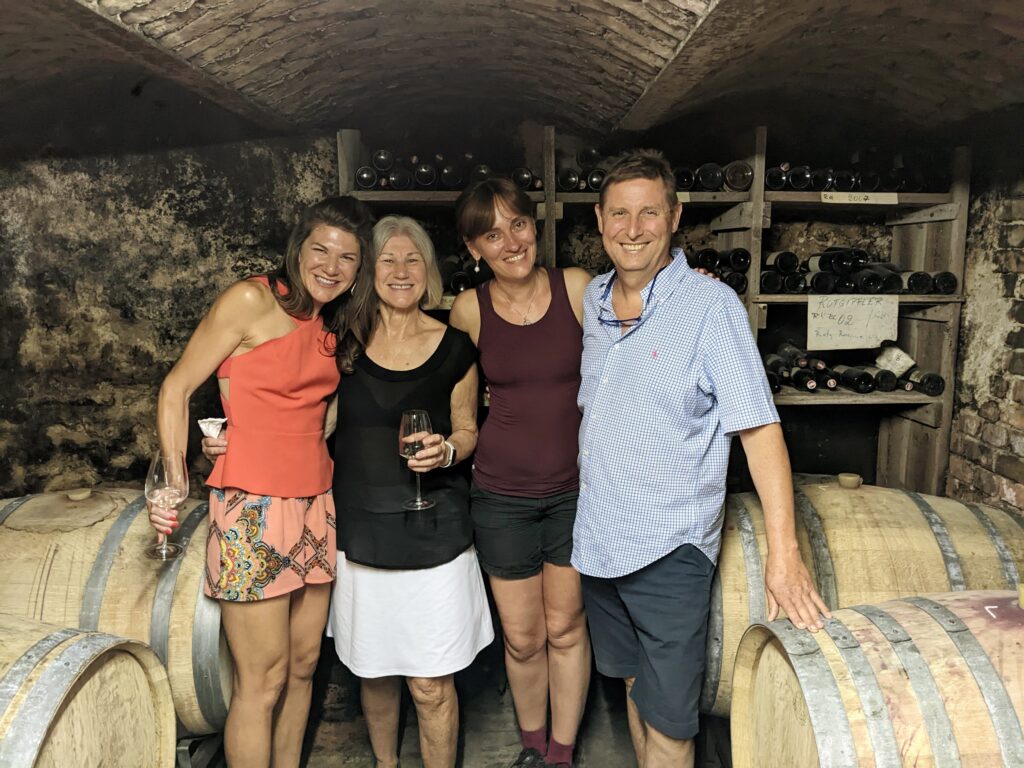
We explain wine simply, and we give our guests the opportunity to gain knowledge without being scared off by too much, too soon. On our wine tours, we introduce various wines, and in the process ask questions and present information that many people probably wanted to know but were too afraid to ask. We also dive into how wine is made, and try to demystify some of the typical tasting room jargon that made you wanna reach for your concealed carry at your last tasting!
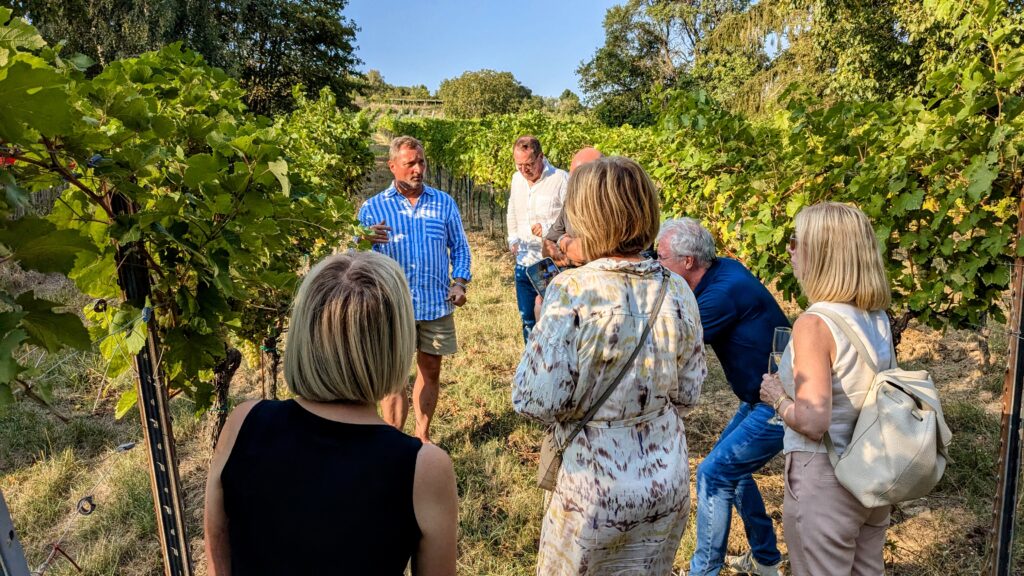
More importantly though, we have developed wine tours & experiences that connect visitors to a region through a combination of outdoor activities and intimate wine tastings. We understand what it means to ‘get’ the ‘terroir’ of a region, and we bring people right into the heart of it to create lasting positive associations between a wine and its origin.
Our efforts to slow down wine interweave with our wider goal of championing a more considered and slower approach to all things travel, as well as helping our guests to gain genuine insight into a farming industry which is on the cutting edge of climate change. We are specialists in slow wine tourism and travel.
What is Slow Wine Though?
For us, “slow wine” represents a commitment to a more thoughtful and sustainable approach to crafting wine. It’s a movement that produces wines which reflect a sense of place and a connection to the natural environment. Slow wine shares similarities with the broader “slow food” movement, which advocates for quality, tradition, and environmentally conscious practices in food production.
Anyway, here are some of its key characteristics:
- Sustainable agriculture: slow wine producers often prioritize sustainable and organic farming practices i.e. minimizing the use of synthetic pesticides & fertilizers, promoting biodiversity in the vineyards, and working towards a more harmonious relationship with the environment.
- Natural wine-making: the slow wine movement frequently aligns with the principles of natural wine-making i.e minimal intervention in the wine-making process, allowing the grapes to ferment with naturally occurring yeasts, avoiding excessive use of additives (sulphites for e.g), and limiting manipulation (like adding sugar or distilling for e.g) to focus on the unique characteristics of the grapes and the land where they were grown (the terroir).
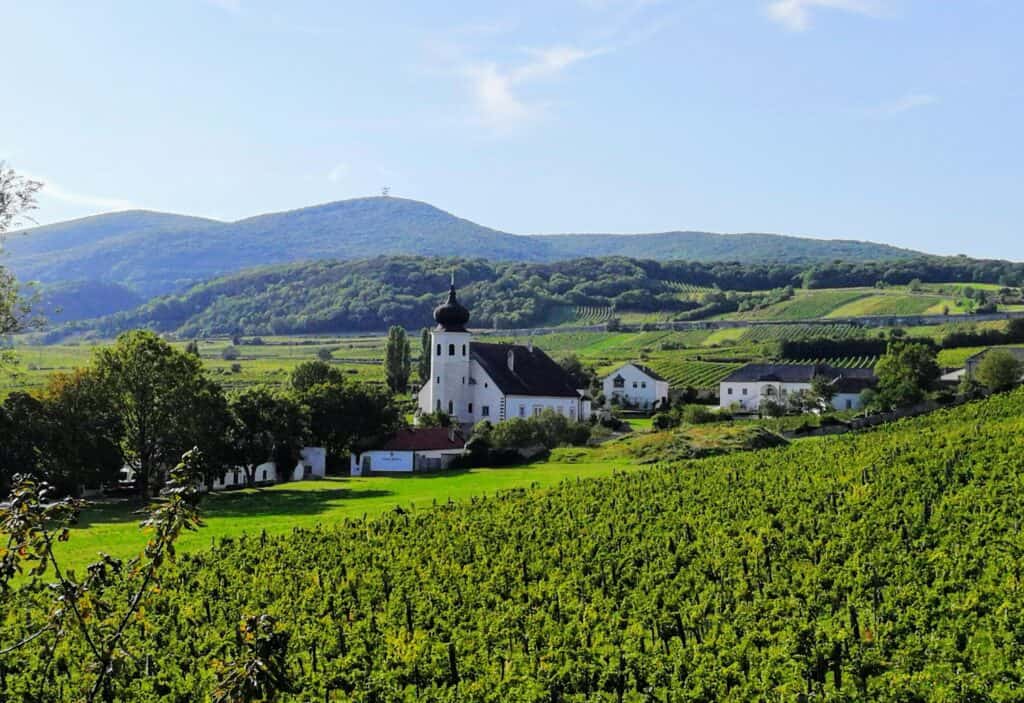
- Terroir focus: slow wine producers place a strong emphasis on the concept of ‘terroir‘, which refers to the unique combination of soil, climate, and vineyard practices that influence the character of the wine. They believe that wines should express the specific qualities of the vineyard where the grapes are grown.
Characteristics of a slow wine producer
Slow wine makers tend to be smaller-scale producers, who are more able to focus on quality over quantity. Taking a hands on approach to all aspects of wine making, from tending the vines to direct sales and distribution, is made easier when the vineyard plot is smaller, especially when compared with larger estates.
It is, of course, much more labour intensive in other regards, especially as many slow wine producers may decide to hand-pick their grapes during harvest. The slow wine community often pursue traditional wine making techniques, as well as pursuing eco-friendly practices beyond the cellar i.e. the use of sustainable packaging and materials for delivery.
How Austria became ground zero for the slow wine movement
After pretty much reaching rock bottom after the 1985 antifreeze scandal, and having become persona-non-grata on the international wine scene, it seems to me that the Austrians didn’t really have much choice, other than to become a shining light of sustainable viticulture (wine-making), as the only way to salvage its reputation.
Indeed, fast forward 40 years and Austria is now one of the world’s leading sustainable wine producing nations, and thanks to a new generation of wine makers, is taking the lead when it comes to organic, bio-dynamic and natural wine production.
So come join us on one of our Weintouren ab Wien to experience what slow wine tourism is all about!